
STATIC PRESSURE SENSOR
Climate Controller Temp : STATIC-PRESSURE-SENSOR
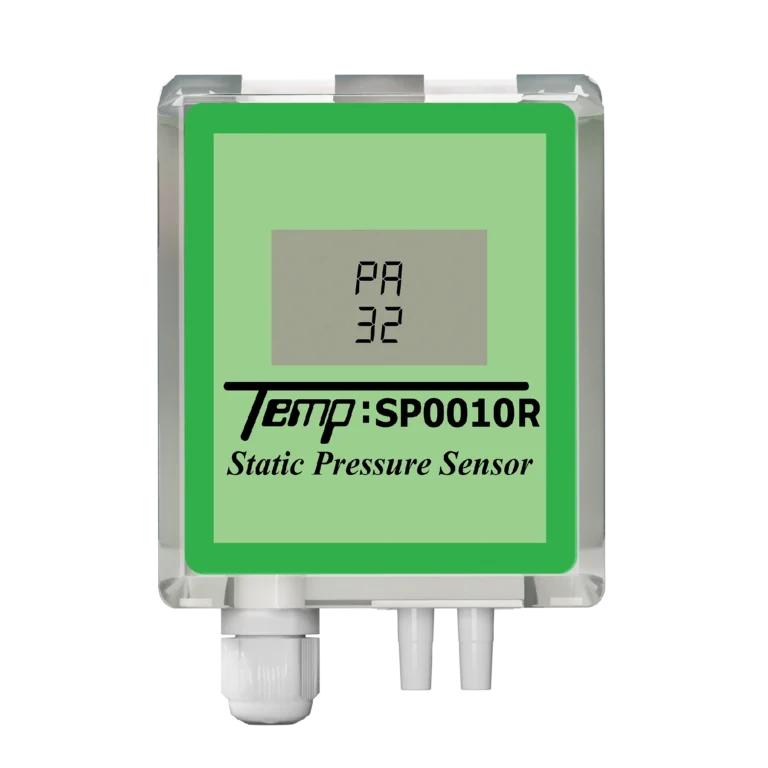

STATIC PRESSURE SENSOR
• Input Voltage: 12-24 Vdc
• Power Consumption: < 1.5 Watts .
• Output Voltage: 0-10 Vdc
• Output Impedance : 10 K Ohms .
• Pressure Range: 0-300 Pascal
• Operating Temperature: -25 To+70°C
• Accuracy: +0.25% Fss
• Sensor Element Type: Piezo Resistive SiliconCeramic Sensor
• Max. Cable Length: 150 Meters
#TempView #Controller #temp #Rtron #Alarm #SENSOR
STATIC-PRESSURE-SENSOR
• Input Voltage: 12-24 Vdc
• Power Consumption: < 1.5 Watts .
• Output Voltage: 0-10 Vdc
• Output Impedance : 10 K Ohms .
• Pressure Range: 0-300 Pascal
• Operating Temperature: -25 To+70°C
• Accuracy: +0.25% Fss
• Sensor Element Type: Piezo Resistive SiliconCeramic Sensor
• Max. Cable Length: 150 Meters
#TempView #Controller #temp #Rtron #Alarm #SENSOR

What Is a Static Pressure Sensor ?
A static pressure sensor detects air pressure within ventilation ducts or controlled spaces and converts this into an electrical signal for monitoring and control. It is essential for systems that regulate airflow, maintain balanced pressures, and ensure consistent air distribution.
Proper static pressure measurement helps systems such as exhaust fans, HVAC units, and climate controllers adjust airflow dynamically, protecting system health and improving energy usage.
Key Features of the Temp Climate Controller Static Pressure Sensor
The Static Pressure Sensor offered by Temp Climate Controller (by Siam Water Flame Co., Ltd.) is engineered for durability, reliability, and precision—perfect for ventilation control systems in industrial, agricultural, or climate-controlled environments.
Technical Specifications
Input Voltage: 12–24 VDC
Power Consumption: <1.5 Watts
Output Voltage: 0–10 VDC (compatible with many controllers)
Pressure Range: 0–300 Pascal
Accuracy: ±0.25% FSS
Operating Temperature: –25 °C to +70 °C
Sensor Type: Piezo Resistive Silicon Ceramic
Maximum Cable Length: Up to 150 meters
These specifications ensure high-precision readings and stable data transmission across large installations.
Why Static Pressure Matters in Ventilation Systems
Static pressure plays a major role in how well ventilation systems perform. It determines how air moves through fans, ducts, filters, and enclosures. Inadequate pressure can lead to problems like inefficient airflow, increased energy consumption, or even system failure if fans struggle to overcome duct resistance.
A static pressure sensor allows controllers to:
Maintain proper negative pressure for controlled ventilation
Balance fresh air intake with exhaust airflow
Automatically adjust fans based on real-time pressure data
Prevent unnecessary strain on HVAC components
In livestock houses, greenhouses, and manufacturing facilities, managing static pressure improves climate control, animal welfare, and process reliability.
Integration with Temp Climate Controller Systems
The Temp Climate Controller sensor seamlessly integrates with TempView controllers and automation systems. Its 0–10 V output is compatible with many climate and ventilation devices used in advanced control platforms. This enables centralized monitoring, real-time adjustments, and intelligent control strategies to maintain target pressure and airflow levels.
Benefits of Using a High-Quality Static Pressure Sensor
Accurate Airflow Monitoring
Maintains airflow and pressure stability across HVAC or ventilation networks.
Energy Efficiency
Reduces wasted energy by ensuring fans and air handlers operate optimally.
Long-Distance Monitoring
With up to 150 meters cable capability, it supports large facilities and remote sensor placement.
Wide Operating Range
Works reliably in environments from cold storage to high-temperature zones.
Precision and Reliability
High accuracy ensures controllers receive trustworthy pressure data for responsive system behavior.
Applications and Uses
Static pressure sensors are widely used in:
HVAC and ventilation systems in commercial buildings
Industrial facilities with air quality control requirements
Agricultural climate systems (poultry houses, greenhouses, livestock barns)
Negative pressure and pressure differential monitoring
Climate-controlled storage and processing areas
By monitoring static pressure, systems can dynamically adapt to changes in airflow demand—improving comfort, productivity, and equipment longevity.
Final Thoughts
A static pressure sensor is more than just a measurement tool—it’s an essential part of any advanced ventilation or climate control strategy. With accurate static pressure data, controllers can optimize airflow, reduce energy costs, and create a more stable indoor environment.
The Static Pressure Sensor from Temp Climate Controller combines accuracy, durability, and integration flexibility—making it a smart choice for any industrial or agricultural ventilation application.
If you’re looking to upgrade your HVAC monitoring or improve environmental control in your facility, a static pressure sensor can play a crucial role in achieving efficiency and performance goals.
What Is a Static Pressure Sensor ?
A static pressure sensor detects air pressure within ventilation ducts or controlled spaces and converts this into an electrical signal for monitoring and control. It is essential for systems that regulate airflow, maintain balanced pressures, and ensure consistent air distribution.
Proper static pressure measurement helps systems such as exhaust fans, HVAC units, and climate controllers adjust airflow dynamically, protecting system health and improving energy usage.
Key Features of the Temp Climate Controller Static Pressure Sensor
The Static Pressure Sensor offered by Temp Climate Controller (by Siam Water Flame Co., Ltd.) is engineered for durability, reliability, and precision—perfect for ventilation control systems in industrial, agricultural, or climate-controlled environments.
Technical Specifications
Input Voltage: 12–24 VDC
Power Consumption: <1.5 Watts
Output Voltage: 0–10 VDC (compatible with many controllers)
Pressure Range: 0–300 Pascal
Accuracy: ±0.25% FSS
Operating Temperature: –25 °C to +70 °C
Sensor Type: Piezo Resistive Silicon Ceramic
Maximum Cable Length: Up to 150 meters
These specifications ensure high-precision readings and stable data transmission across large installations.
Why Static Pressure Matters in Ventilation Systems
Static pressure plays a major role in how well ventilation systems perform. It determines how air moves through fans, ducts, filters, and enclosures. Inadequate pressure can lead to problems like inefficient airflow, increased energy consumption, or even system failure if fans struggle to overcome duct resistance.
A static pressure sensor allows controllers to:
Maintain proper negative pressure for controlled ventilation
Balance fresh air intake with exhaust airflow
Automatically adjust fans based on real-time pressure data
Prevent unnecessary strain on HVAC components
In livestock houses, greenhouses, and manufacturing facilities, managing static pressure improves climate control, animal welfare, and process reliability.
Integration with Temp Climate Controller Systems
The Temp Climate Controller sensor seamlessly integrates with TempView controllers and automation systems. Its 0–10 V output is compatible with many climate and ventilation devices used in advanced control platforms. This enables centralized monitoring, real-time adjustments, and intelligent control strategies to maintain target pressure and airflow levels.
Benefits of Using a High-Quality Static Pressure Sensor
Accurate Airflow Monitoring
Maintains airflow and pressure stability across HVAC or ventilation networks.
Energy Efficiency
Reduces wasted energy by ensuring fans and air handlers operate optimally.
Long-Distance Monitoring
With up to 150 meters cable capability, it supports large facilities and remote sensor placement.
Wide Operating Range
Works reliably in environments from cold storage to high-temperature zones.
Precision and Reliability
High accuracy ensures controllers receive trustworthy pressure data for responsive system behavior.
Applications and Uses
Static pressure sensors are widely used in:
HVAC and ventilation systems in commercial buildings
Industrial facilities with air quality control requirements
Agricultural climate systems (poultry houses, greenhouses, livestock barns)
Negative pressure and pressure differential monitoring
Climate-controlled storage and processing areas